Category: Pluto

  • Pluto in the 9th House (Natal or Transit)

    Pluto in the 9th House (Natal or Transit)

    When I freed myself from the comfort of religion, it was not a loss of faith for me, it was a discovery of myself.

    Brad Pitt – Pluto in the 9th House

    Have you ever wondered why you are reluctant to believe in something? Or why do you have a hard time exploring different belief systems? This is what happens when Pluto is in the 9th House.

    Understanding Pluto

    “I am Pluto, the planet of deep transformation and hidden power. In the 9th House, my influence is centered on the quest for truth, the expansion of the mind, and the exploration of new philosophies. I challenge you to thoroughly explore your beliefs and confront the deepest truths of existence. My presence here may indicate significant transformations in your search for meaning and your relationship with spirituality and wisdom. Through me, you will learn to delve into the exploration of new horizons and use self-transformation to evolve spiritually. I also urge you to confront your fears related to the unknown and to question your deeply rooted beliefs. Ultimately, you will find that power resides in expanding the mind and in the constant pursuit of truth.”

    Where Pluto is located, we will experience a process of transformation as involuntary as the one that occurs to the caterpillar during its transmutation into a butterfly. Plutoโ€™s position in the birth chart indicates the personal evolutionary path that we all go through. Although many times we are not aware of it, this process has been activated since the first day of our birth. Many times the energy of Pluto can be found in the control we exercise over certain aspects of our behavior. It is not that Pluto means controlโ€ฆ Rather it is our fear of allowing Plutonian energy to flow that triggers the desire to control it.

    Pluto simply awakens ancestral and even soul memories from remote pasts that are stored in our physical and cosmic DNA. These memories condition the present life and need to be released in order to recover other hidden treasures that we have inherited from our ancestors.

    In order to flow together with Pluto, we need to dare to feel the impulses of the unconscious and give them consciousness. This is not easy because it is not something that we are taught in school. In fact, many of the drives that come from our instinctive self become compulsions because, for cultural and other reasons, we try to keep them hidden, even from ourselves.

    The secret with Pluto is not to act on what awakens, but to feel it, to observe it. Pluto brings to the surface energies that have been stored for generations and are now ready to be transformed. However, they remain โ€œunknownโ€ to us, and in many cases, they terrify us. Therefore, in general, we repress them for a long time until they break through, generating some kind of crisis.

    Pluto is a very slow planet. It takes 248 years to go around the zodiac and stays in each sign between 12 and 31 years. Although the transformation process is individual, the way we go through it is shared by a large number of people. Basically, we are not alone when facing the force of the subconscious. The individuals of the same Plutonian generation develop something in common, which allows the evolutionary process to be lived together while each one has the experience from their unique perspective.

    The astrological house where Pluto is located shows us the particular area of existence where we experience transformation. The sign shows us how we approach it.

    The difference between the natal position and the transit of Pluto through the houses is that the natal position indicates the area of life where our evolution will focus, while the transit of Pluto activates temporary processes that assist our evolutionary path.

    Pluto in the 9th House Natal or Transiting

    Once we go through the metamorphosis of the 8th House, we arrive at the 9th House, where we look for the meaning of our own existence. In the 9th House, we expand our horizons. We move away from the familiar and enter the unknown. Traditionally the 9th House refers to long journeys. And in itself, when we live experiences outside of everyday life, we begin a journey that makes us change the way we see the world. For this reason, the 9th House represents the way in which we are forming our philosophy of life, our personal beliefs born of experimentation beyond what we learned in school, and our encounter with the exotic – at least from our point of view.

    When Pluto is in the 9th House, the transformation process occurs in our belief system. A powerful interest in the search for Truth is awakened in us. The Plutonian process brings to light moral principles that need to be revisited in an exploratory way. Will Pluto in the 9th House be able to do this? Or will we be afraid that our way of thinking will be controlled by the beliefs of others?
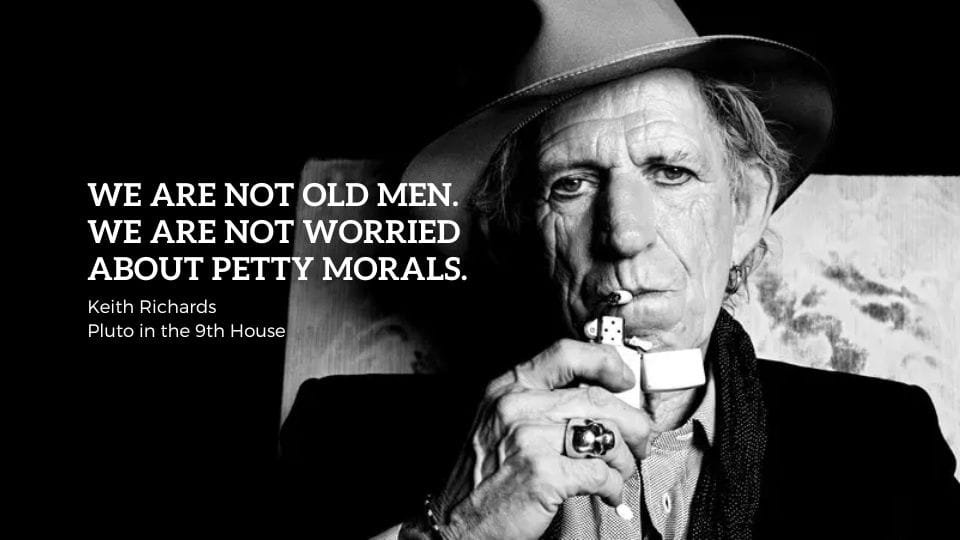
    โ€œWe are not old men. We are not worried about petty morals.โ€ Keith Richards – Pluto in the 9th House

    The presence of Pluto in the 9th House indicates that our survival instinct is awakened when we find ourselves unable to explore a philosophy of life different from the one established within our environment. If we feel “possessed” by these beliefs, we will avoid any kind of exploration of them. To deal with this pressure, we scrapped them entirely. We can even come to the conclusion that nothing makes sense.

    Perhaps that is precisely the key moment for Pluto in the 9th House. Abandoning ourselves to absolute disbelief can, paradoxically, connect us with an inner truth that we haven’t been able to hear until now.

    In the 9th House, Pluto creates existential crises. This is the position of the traveler who discovers the secrets of life through experiences in distant lands. Pluto’s secret in this position is to allow transformation to occur without resisting the possibility of discovering that the Truth has many facets and that we may never find it. Perhaps we can discover that the limits that have imprisoned us before came from our own consciousness, from ancestral and even cosmic memories. That we are a species in constant evolution and that through the exploration of new territories we see that finally, everything has a meaning.

    Possibly one of the greatest gifts of this position is understanding that the mystery of Life will remain a mystery. Daring to ask ourselves “why” opens the doors to new dimensions of our own evolutionary path, although not necessarily of others. Letting die that part of us that seeks the absolute Truth allows us to travel towards circular paths, which intertwine and overlap, and within that tangled complexity, we find a coherence that leaves us stunned.

    Pluto in the 9th House – VIDEO
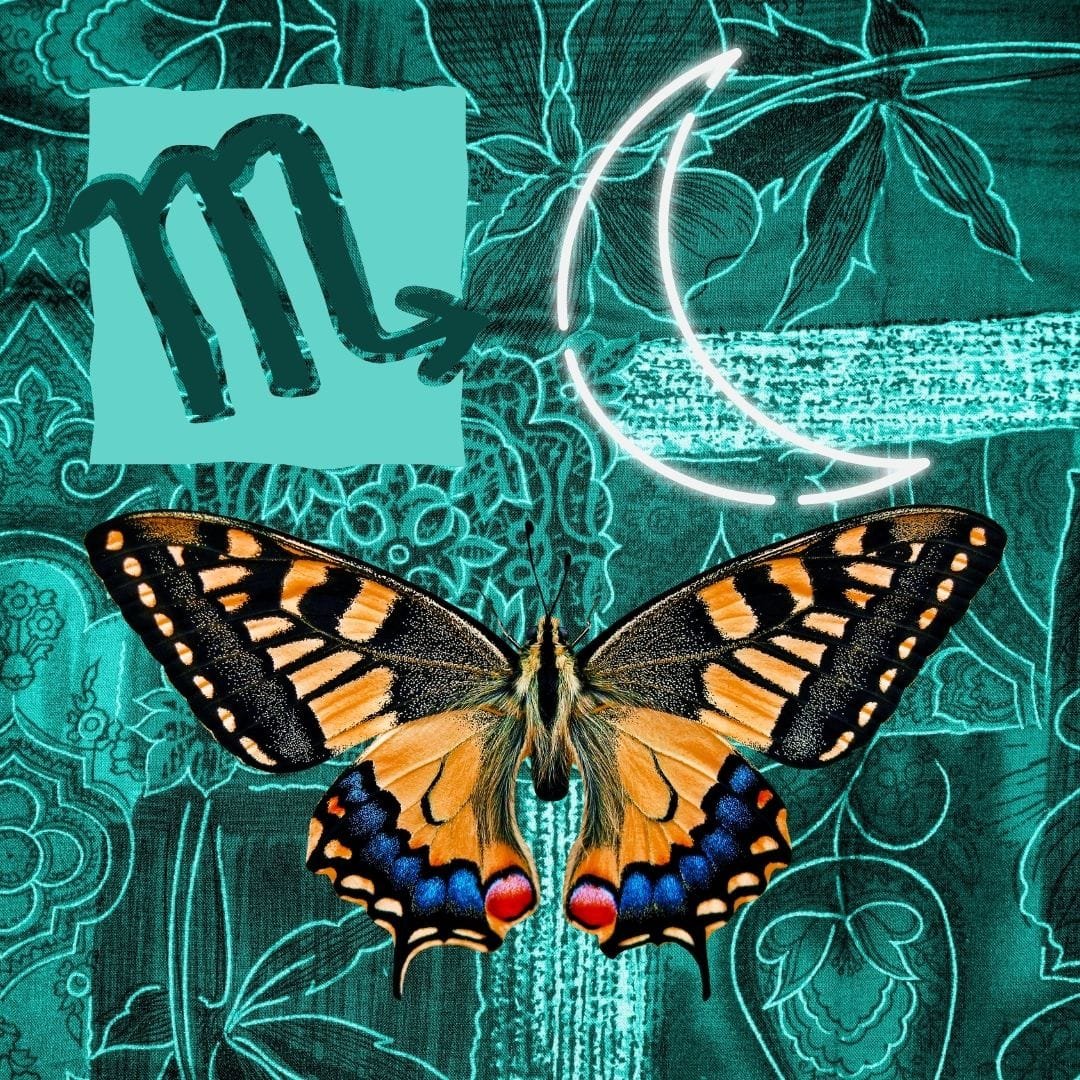
  • Scorpio Moon and/or in House 4 (or Pluto in House 4)

    Scorpio Moon and/or in House 4 (or Pluto in House 4)

    What does the Moon in Scorpio or Scorpio and/or Pluto in the 4th House mean?

    People with these characteristics are used to feeling “in danger.” Both the 4th House and the sign of Cancer, as well as the Moon symbolize emotional security. When they are related to the sign of Scorpio or Pluto, we are talking about individuals who, in one way or another, have felt that their lives were constantly in danger.

    Why? Because Scorpio represents the 8th Houseโ€ฆ the house where our Self merges with the โ€œoutsideโ€. And that represents a danger to our identity. Our survival instinct is awakened. We begin to feel that we have to protect ourselves from imminent danger, constantly.

    Generally, when we have any of these positions in the natal chart, we experience quite difficult situations in our early childhood, especially with the people who have taken care of us and, in particular, in our relationship with mother figures. We may have felt betrayed by themโ€ฆ in one way or another. For Scorpio Moon, and to some extent for Scorpio and Pluto in the 4th House, the relationship with the mother is symbiotic. Any situation where it has been felt that something is not in complete emotional harmony feels like a “betrayal”, especially when we are not yet aware of what is happening to us on an emotional level.

    In fact, it is not necessarily about mothers or mother figures who have been violent or malicious towards us (although in some cases there may be real traumatic experiences)โ€ฆ In reality, it is our perception of them that frightens us. And since we are dealing with individuals who at the same time take care of us, what our subconscious (The Moon) does is bury that fear, make it unconscious and imagine that “everything is fine”.

    Subsequently, through life experiences, we get into situations that are similar to what we experienced in our early childhood. Although we live in a state of permanent alertness that causes suffering, we remain in these situations for a long time because they feel familiar and that gives us a sense of security.

    As adults we stop fearing what we have become accustomed to since childhood. However, for those who have these planetary positions in the birth chart, unconscious fears are very latent. They need courage to go through them, since these fears are related to the feeling of not having felt safe with the person we needed the most. This is a taboo subject for the conscious mind.

    We know that Scorpio symbolizes transformation. Transformation is the mutation from one state to another of the same energy. So, following this analogy, what we see in the energy of Scorpio, whichโ€ฆ as much as it seems to destroy what exists, actually transmutes it: from stone to diamond, from caterpillar to butterfly. Butโ€ฆ when we are children, we don’t know this. And it scares us.

    Perhaps we need to reach adulthood to review these emotions and discover the treasure that our past experiences hold. However, people with Moon in Scorpio, or Scorpio (and Pluto) in the 4th House – and to some extent Cancer in the 8th House, have this inner power to carry out this review of the past. It is not necessary to live for the rest of our lives with internal crises and turmoil. The power of these astrological positions is the ability to enter into a deep connection with Life.

    Perhaps it is the people with these positions who can delve into everything that most do not dare to feel. The attachment to pain and crises that characterize these positions are nothing more than a defense mechanism to avoid feeling what is really happening inside them. What happens is that the desire to merge with the “other” is intense. And every time we feel that this fusion breaks, we initiate – in one way or another – some crisis situation, which makes us feel “related” once again. This is especially the case when we interact with individuals who have a type of emotional energy that a Water Moon does not “feel” clearly, such as Moons in Fire or Air signs. It just so happens that Scorpio, being a Water and Fixed sign, needs to feel the “shape of the emotion” – that’s where Scorpio is known for its intensity. Scorpio emotions have a “body.”

    Scorpios feel they exist when they can feel their emotional body. When they don’t achieve it by themselves, they look for it in the “other”. If the emotions that come from outside are not intense enough, they will provoke a crisis that intensifies the emotional exchange.

    For Scorpio, emotional separation can feel like death. And this is very clear when the Moon or the 4th House are in this sign. And a child with these characteristics does not have a sufficiently developed consciousness to understand what is happening to him or her. For example, a Scorpio Moon baby may feel abandonment strongly when her mother’s “aura” separates as she leaves and leave him or her alone in the crib. Also, they are able to perceive their mother’s emotional stateโ€ฆ tiredness, personal problems and even the desire that “the child finally fall asleep”, something that the child with the Moon in Scorpio can translate as a rejection of his own existence.

    Perhaps a good way to start bringing more awareness to this part that is so hurting, that is so afraid of abandonment and rejection, is to talk to this inner child, who is desperate to make sure that he is loved. It is a job that requires a lot of perseverance because it makes us face our deepest fears. And especially for the Moon in Scorpio, it is necessary to take a look at the belief that our mother has somehow rejected us, something that can arouse great pain.

    Both the 4th House and the Moon represent the internal projections we make of the outside world. The emptiness that is felt when a separation occurs is actually a discrepancy between our internal reality and external reality. The sense of separation will be more pronounced if, as I mentioned before, a Scorpio Moon meets a Fire or Air Moon. This can also happen for a Scorpio in the 4th House. With Earth Moons or other Water Moons, there’s a natural understanding.

    However, the reason we meet Moons that are seemingly incompatible with each other is to awaken our emotional self-awareness. This is how we learn to nourish ourselves according to our own needs. That is when we stop expecting the โ€œfoodโ€ to come from someone else. This awakening of emotional awareness is what could be called a second rebirth: we stop being children and become our own mothers. This process can be painful for the Moon in Scorpioโ€ฆ perhaps more than for the others since when they go through it they feel the cutting of the energetic umbilical cord with the mother and that means the death of childhood. However, once they manage to complete the process, they realize that relationships, both with the mother and with everyone else, take on a new dimension, deeper and richer.

    Opening up to life confronts us with the world of the unknown
    That is the path of transformation
    Just like the caterpillar, who can't stop their metamorphosis
    And surrender to it completely
    Scorpio energy transmutes us from one state to another
    Through our emotions.
    And so we are transformed by Life.

    In any case, those who have these positions have as a natural gift the internal strength to go through their own metamorphosis and therefore understand the processes of Life. This helps them to open up on an emotional level to all experiences and to understand that death itself does not existโ€ฆ That it is just a transformation into a new reality.

  • Pluto in the 6th House (natal or transit)

    Pluto in the 6th House (natal or transit)

    I’m never satisfied with what I do. I always think I can do it a lot better.

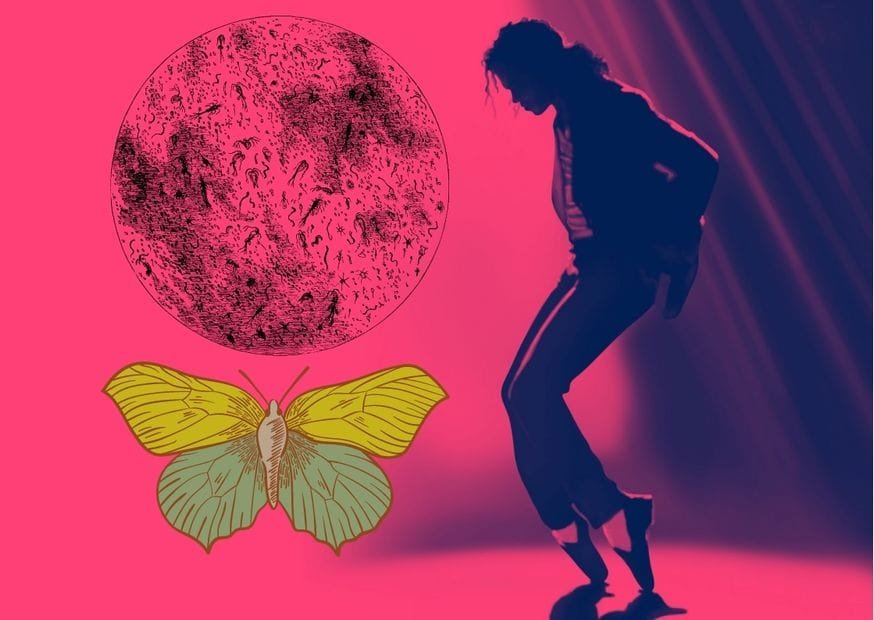
    Michael Jackson – Pluto in the 5th House

    Are you obsessed with efficiency? Do you feel that you somatize your emotions through the body? Do you pay too much attention to imperfections? These are some of the characteristics of Pluto in the 6th House.

    Understanding Pluto

    “I am Pluto, the planet of deep transformation and hidden power. In the 6th House, my influence is focused on work, health, and daily routine. I challenge you to thoroughly explore your work and health patterns and to confront the shadows in your daily routine. My presence here may indicate significant transformations in your work life and your approach to well-being. Through me, you will learn to use self-transformation to enhance your health and efficiency at work. I also urge you to confront your fears related to responsibility and self-criticism. Ultimately, you will find that power resides in self-assertion and in creating a meaningful daily life.”

    Pluto is the planet of transformation. Wherever we find it in the birth chart, it begins a mutation process that aims to clean from within what we need to let go of. And so, our potential can flourish. Itโ€™s like cleaning out a basement that hasnโ€™t been opened for decadesโ€ฆor centuries. No one likes to open that door and walk downโ€ฆ however, once we do, we not only remove the clutter and grime, but we also discover treasures we never knew we had. When we go down to that basement we are faced with a past that has been forgotten within the subconscious.

    The presence of Pluto in an astrological house indicates that, in that area of life, we will see the contents of the basement of our soul. Wherever Pluto is, we will go through experiences that will bring to light behaviors that arise from ancestral memories stored within our DNA and soul memories. In our incarnation, they can arise as fears, repressions, negative attitudes, and/or the feeling that we are controlled by circumstances that do not allow us to develop personal power in the area of life where Pluto is located.

    Pluto is the door to a very different past, where life circumstances have been tougher, and rougher. At the same time, accessing these memories connects us with the resilience of our ancestors and the Soul. And consequently, with great personal power.

    When Pluto is in the 6th House

    The 6th House is the house that represents the practical world. Here we see how we refine our skills and abilities in such a way that they can be useful to others. Here we ask ourselvesโ€ฆ “what am I good for”, and “what is my function”. Then we begin our improvement, something that requires routine, perseverance, and adaptation. By analogy, in this house, we see the way we care for our bodies, how we organize our daily lives, and how we improve our reality. Consequently, the 6th House encompasses daily chores, health, work, relationships with bosses and subordinates and with those who provide services, as well as the services we offer to others.

    When Pluto is in this house, it indicates that we have come to transform our approach when it comes to service, caring for our body, the way we polish our skills, and how we approach work.

    We may feel that we do not possess sufficient qualities to serve society. We feel trapped in situations that confirm this suspicion. We are forced to look for jobs where we perform tasks that we do not like.

    This Pluto position makes us face these types of situations over and over again until we finally manage to listen to ourselves and dedicate ourselves to developing the skills that really interest us.

    Pluto always points to something that is difficult โ€ฆ there is a good reason why it is considered the planet that indicates our evolutionary path! In order to transmute what Pluto brings to the surface, we need to face the fear of letting the past go.

    The feeling of being a slave to circumstances can come from external pressures. In any case, any pressure from the outside can only influence us if what it awakens already exists within us.

    Pluto shows us the behaviors that we have inherited from our ancestors and that have been transmitted through DNA. Then, they manifest as “instinctive” behaviors that act from our unconscious. With Pluto in the 6th House, we may be moved to develop capacities that we know are useful to society but that, however, does not make us happy.

    In our unconscious, there can be ancestral and even soul memories of slavery. In this incarnation, strong power dynamics can occur in work environments. These will continue to occur until we can feel what our true motivations are regarding the “service” we give to others.

    Pluto in this position also asks us to pay more attention to the way we take care of our bodies. It can arouse compulsive behaviors that indicate repressed emotional problems. For example, if we do not want to go to work because we are not satisfied with what we do, we can create a disease that forces us to stay in bed. It is important to treat ourselves holistically as Plutonian problems often arise from unconscious desires that we are not listening to.

    It is important to observe the astrological house where Scorpio is since the activities, situations, or individuals related to that area of life have a lot to do with our attitude towards health and/or with work dynamics.

    Seeking perfection is not the same as achieving efficiency. When we have Pluto in the 6th house, we have great potential to improve work methods and create efficient routines that improve our quality of life and that of others. Our dedication and concentration can turn stones into diamonds. We have a great capacity to understand why things do not work as they should and to reorganize them in more efficient ways.

    And especially, Pluto in the 6th House asks us to polish our own qualities, those that we would really like to develop. It is possible that we do not clearly know what they are, and that is why Pluto will bring experiences – often in the form of crises – to help us find them.

    When Pluto is in the 6th House by transit, its power is similar to that of the natal position, however, it shows us personal habits that we must also abandon in order to continue with the transmutation of what the natal astrological house where it is located represents.

    Ask to yourself:

    • What is it that does not allow me to polish my innate abilities?
    • Why do I feel compelled or obligated to work on things I don’t want?
    • What are the fears that lead me to control my body obsessively?

    As I have said before, Pluto brings to the surface the ancestral memories of our DNA: slavery, servitude, and all kinds of situations where we have been in inferior conditions in a forced way in pursuit of our survival. Most of us have ancestors who have been in this situation no matter what culture we come from. We are talking about 100, 500, or 10,000 years ago… and our DNA stores these memories. Delving into these matters can give us the liberation we seek and a new perspective on what it’s like to be skilled at something we are good at and use it to improve our standard of living and the standard of living of others.

    Pluto in 6th House – Watch the VIDEO

  • Pluto in the 5th House (Natal or Transit)

    Pluto in the 5th House (Natal or Transit)

    The Meaning of Pluto

    “I am Pluto, the planet of deep transformation and hidden power. In the 5th House, my influence is centered on creativity, personal expression, and romantic love. I challenge you to explore your most intense passions and to unleash your creativity authentically. My presence here may indicate significant transformations in your romantic relationships and artistic expression. Through me, you will learn to channel your deepest desires into creation and romance. I also urge you to confront your emotional fears and transform patterns in love and creativity. Ultimately, you will discover that power resides in self-awareness and the genuine expression of your being.”

    Pluto generally feels like very unpleasant energy. Wherever this planet is in our birth chart, we go through crises that never seem to leave us. Very few are interested in investigating Pluto, soโ€ฆ congratulations! You have dared to enter the world of shadows!

    Why are we going through a crisis? Pluto symbolizes death and rebirth. With Pluto, we go through a metamorphosis. Itโ€™s kind of like the werewolf when the full moon rises. The triggers of this change are in the area of life symbolized by the astrological house in which it is found. When Pluto is activated, behaviors that we have repressed come to the surface in every possible way.

    No matter how much success you have โ€” no matter how many opportunities, fame, fortune, no matter how many people accept you to your face โ€” the person that really needs to accept you is you.

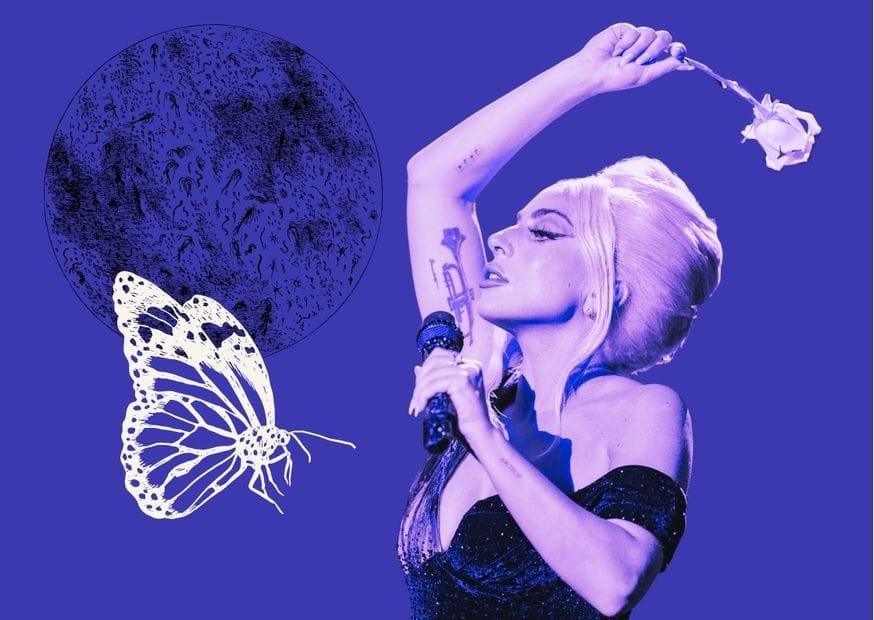
    Lady Gaga – Pluto in the 5th House

    Although it feels unpleasant, it is a great opportunity to get to know our instinctual nature and see who we really are, since this will allow us to transform what does not allow us to progress.

    Pluto awakens our instinctual reactions so that we make them conscious and thus transform what does not allow us to progress.

    The difference between the natal position and the transit of Pluto through the houses is that the natal position indicates the area of life where our evolution will focus in the present incarnation, while the transit of Pluto activates temporary processes that assist our evolutionary path.

    The power of transformation that Pluto represents is experienced both individually and collectively. This is a planet that moves very slowly: it takes 248 years to travel the zodiacal wheel and stays in each sign between 12 and 31 years. In this sense, we are all part of a group that will evolve the characteristics of the sign where Pluto when we are born. At the individual level, we live this process within the area of life (or astrological house) where Pluto is located.

    When Pluto is in the 5th House

    The 5th House symbolizes the area of life where our individuality is manifested outwardly for the first time. It is a house of experimentation where we play with the environment and create something that bears our personal stamp. By analogy, traditionally, it is also related to our children and to everything that brings joy to life. It is also related to romance since when someone is interested in us, we feel “seen.” In this house our self shines in some way, it is seen.

    When Pluto is in this house, it indicates that, for some reason or another, being seen, recognized, or taken into account can feel like a life-and-death situation. This visceral need arises from unconscious memories created in early childhood. It can also refer to ancestral and/or soul memories, where being the center of attention meant some kind of danger.

    Wherever Pluto is, we are going to have a great desire for personal power, because this forces us to face the fears that hinder it. On the one hand, we want with all our entrails what the house represents. On the other hand, getting it terrifies us.

    In the 5th House we are torn between these two extremes: either we desperately seek to express our creativity and be recognized for it, or we fear that it is our creativity that will destroy us.

    It is not easy to navigate our knee-jerk reactions with awareness. They scare us and we try to bury them, or they take us completely and direct our behavior. With Pluto in the 5th House, we try to hide our desire to be seen and recognized for our works because many times we have been accused of being narcissists. Few people understand the creative power of the Sun – the natural ruler of the 5th House, nor the archetype of Leo, the sign that is ruled by the Sun. When a person is able to express himself creatively, his inner sun shines and as a consequence, attracts him/herself all eyes. Individuals with Pluto in the 5th House naturally emanate an unusual power of attraction, and some may accuse them of wanting to get all the attention. While Pluto in the 5th House enjoys it, it is actually the result of unreserved self-giving through the creative act.

    What happens to the individual with Pluto in the 5th House is that they are used to this power, at least unconsciously, and when they lose it, they can go into crisis. That’s when they desperately seek to get it back. And they can self-destruct along the way.

    This Pluto position indicates that we have come to transform the way we approach our creative energy and our dependence on “public” approval. Daring to show our truth, without embellishments, opens up an unusual creative potential. The fear of losing attention is something we have to go through. Thus we are learning that communion is with our soul, and not with the public.

    The film “A Star Is Born” shows this position in its characters. It is no coincidence that the main female character has been portrayed by two actresses with Pluto in the 5th House (Barbra Streisand and Lady Gaga). The original 1956 film starred Judy Garland, another strong Plutonian energy (Pluto in House 1). In this film, we can see how while the female character rises to stardom, the male character loses everything. Thus we see the characteristic duality of Pluto in the 5th House.

    โ€œIf you donโ€™t dig deep into your fucking soul, you wonโ€™t have legs. โ€ฆ All you got is you and what you want to say to people, and they are listening right now and theyโ€™re not going to be listening forever, trust me. So you gotta grab it, and you donโ€™t apologize, you donโ€™t worry about why theyโ€™re listening or how long theyโ€™re going to be listening forโ€”you just tell them what you want to say. โ€™Cause how you say it is the stuff of angels.โ€ โ€”Jackson Maine

    In conclusion, Pluto in the 5th House indicates that our evolutionary path passes through abandoning dependence on external approval. When we fully surrender to our creative potential, we become channels of the Life force. Going through the fear of being ignored, letting go of control of what we produce to make it look “acceptable,” and expressing our inner truth is what is required.

    Pluto in 5th House VIDEO

  • Pluto in the 4th House (Natal or Transit)

    Pluto in the 4th House (Natal or Transit)

    The Meaning of Pluto

    “I am Pluto, the planet of deep transformation and hidden power. In the 4th House, my influence is centered on your family roots, home, and emotional life. I challenge you to explore the depths of your family history and confront the wounds and secrets that may reside deep within your being. My presence here may indicate significant transformations in your family life and your sense of security. Through me, you will learn to heal ancestral wounds, break free from destructive family patterns, and transform your emotional life from its core. Ultimately, you will find power in authenticity and in building a solid emotional foundation.”

    Pluto rules Scorpio. Scorpio has three states as symbolism: the Scorpion, the Eagle, and the Phoenix. The first state, the Scorpion, represents instinctual reaction. When scorpions feel in danger, they defend themselves with their stinger. The second state, the Eagle, represents the ability to form a strategy since flying and seeing the world from a broader point of view allow the eagles to know where to go to avoid obstacles or obtain what they need. The Phoenix, the third state, symbolizes rebirth. The Phoenix does not react instinctively like the scorpion, nor does it use strategies like the eagle. The Phoenix totally surrenders to Life. And so, it is reborn.

    Unlike Scorpio, Pluto is the planet that symbolizes the activation of this process while Scorpio represents the process itself. The position of Pluto in the birth chart shows us the area of life where instinctual reactions (Scorpio) will awaken when we feel in danger. These reactions are not only the product of our personal memories but also of the ancestral memories that are transmitted through DNA. Some astrologers mention that we also speak of reactions that come from the experiences of our soul, and memories of past or future lives. Likewise, this is the space where we will tend to develop a strategy for survival (Eagle) until finally, we allow ourselves to feel EVERYTHING and lose our fear of vulnerability. It is then that the experiences we go through transform us into a new version of ourselves (Phoenix).

    I immerse myself in the future, but the sun blinds me. I am reborn in every moment, so who knows what I will become.

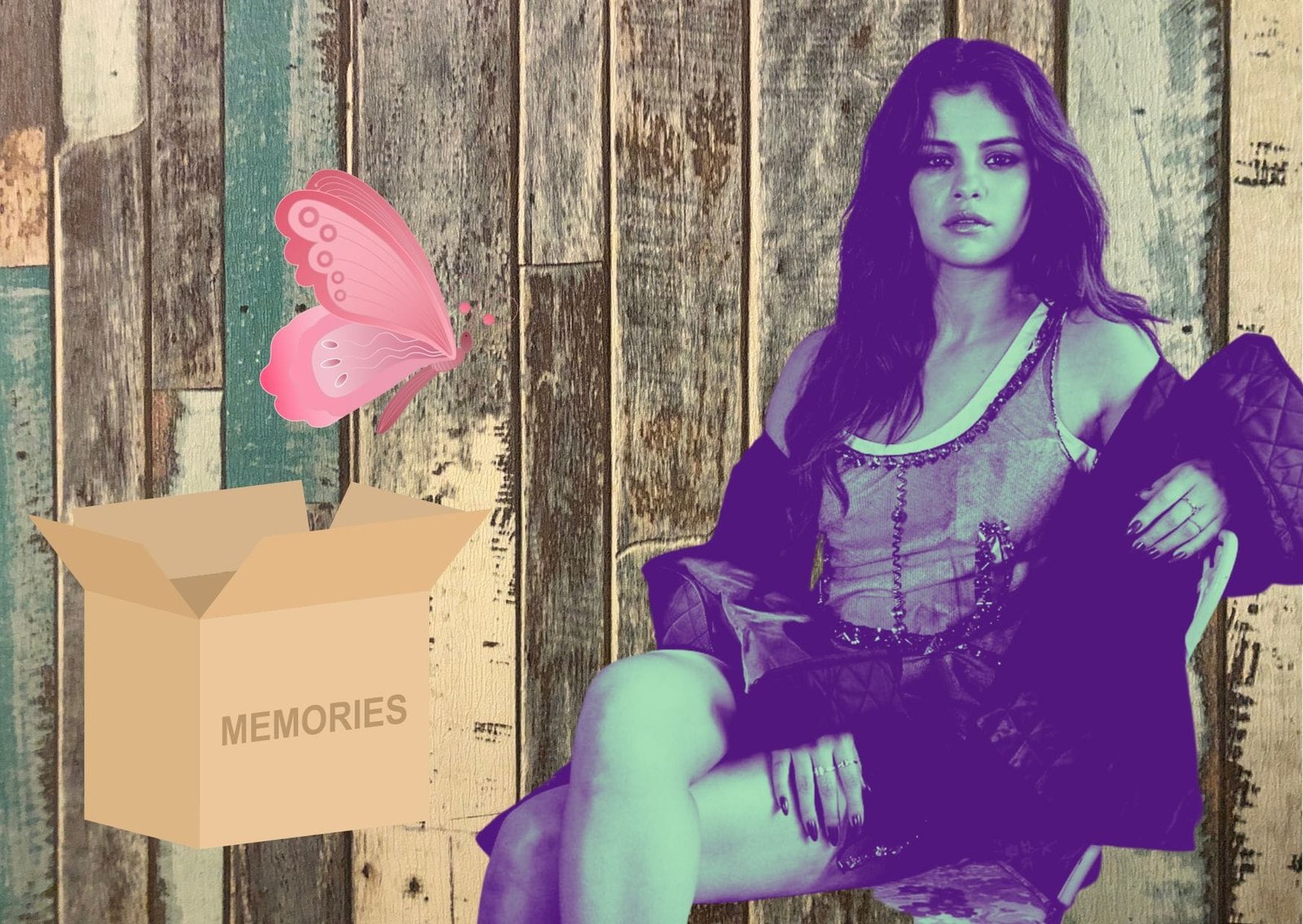
    Selena Gomez – Pluto in the 4th House

    Pluto describes these states both individually and collectively. This is a planet that moves very slowly: it takes 248 years to travel the zodiacal wheel and stays in each sign between 12 to 31 years. Each generation goes through these states and this is how the human species expands through time.

    Although I will refer to the position of Pluto, this article can also be applied to the position of Scorpio by house.

    When Pluto or Scorpio are in the 4th House

    The Transformation of the Emotional Body

    The 4th House symbolizes the emotional body and the way it is nourished by the environment. What does this mean? The emotional body is what allows us to feel the relationship we have with the outside world. With it, we nourish ourselves with the experiences we go through and thus we form a sense of belonging, something that provides us with emotional security. Our species creates its first relationship with the outside by feeling the warmth of the mother. Her closeness, her voice, her presence, gives us peace of mind since we know that we are going to be cared for, that we are protected. This is the first impression we have of the outside world and it will be the one that defines the kind of emotional nourishment we will seek to feel safe.

    Our emotional body is translating the alchemy between our perception and the experiences we go through. As I have said above, our Being is made up not only of what we call “I” but also of ancestral and soul memories. The impressions we receive from the outside are translated from this conglomerate.

    When Pluto is in the 4th House, our individual evolutionary process goes through the transformation of our emotional body, our sense of belonging, the expression of our emotions, and what nurtures us emotionally. To do this, we will go through experiences, especially at home and in the family, that will make us aware of the kind of emotions with which we nurture ourselves.

    Both within our inner world and with everything that makes us feel like family, we will go through the three states of Scorpio: instinctual reaction, strategy, and transformation. First, it will be the scorpion that will show us the instinctive behaviors that come from ancestral memories that are passed from generation to generation through DNA. These memories contain abandonment, orphanhood, loss of home, exile, etc. Every time we feel that we stop belonging to that which nourishes us, we react by releasing the “poison” of the scorpion. The way we do it is individual and the position by sign of Pluto, the aspects and other relevant positions that we can see in the birth chart can give us more information about it.

    The next state is that of strategy. Here we already have more control over our reactions and we act proactively. Like the eagle, we observe what happens from a higher plane and make decisions that allow us to achieve our goals. Unlike the scorpion state, the eagle state no longer defends itself from circumstances but instead provokes them to maintain its emotional security.

    The third and last state is that of transformation. This is when we hit rock bottom. There comes a time when we understand that defense or attack no longer provides us with the emotional security that we are longing for. This is the moment of total surrender to what is. We accept our destiny, we feel the pain that exists in our heart, we realize that we do not feel loved or that we haven’t a “family” to belong to. We are completely alone in Life. We turn to ashes. This is when the magic begins. Like the Phoenix, the truth of life processes ignites each of our cells and suddenly, we understand everything. We feel that we are alive thanks to the resilience of our ancestors, we access the pain and suffering that is within us and that is part of the human species, and suddenly, the floodgates of our emotional body open, allowing the entry of emotions that we have never felt before, realizing that we have always been loved.

    Pluto in the 4th House – Watch the VIDEO

  • Pluto In The 3rd House (Natal and Transit)

    Pluto In The 3rd House (Natal and Transit)

    The Meaning of Pluto

    “I am Pluto, the planet of deep transformation and profound power. In the 3rd House, my influence is focused on your communication, thinking, and immediate environment. I challenge you to explore your deepest thoughts and confront the truth, no matter how intense it may be. My presence here may indicate a tendency to investigate deep and mysterious topics, as well as the ability to communicate transformative ideas. I can lead you through experiences of intense communication and changes in your immediate surroundings. Through me, you will learn to harness the power of words and the mind for self-transformation and to delve into the deepest layers of reality.”

    Pluto generally feels like very unpleasant energy. Wherever this planet is in our birth chart, we go through crises that never seem to leave us. Very few are interested in investigating Pluto, soโ€ฆ congratulations! You have dared to enter the world of shadows!

    Why are we going through a crisis? Pluto symbolizes death and rebirth. With Pluto, we go through a metamorphosis. Itโ€™s kind of like the werewolf when the full moon rises. The triggers of this change are in the area of life symbolized by the astrological house in which it is found. When Pluto is activated, behaviors that we have repressed come to the surface in every possible way.

    โ€œIf every choice you make comes from an honest place, youโ€™re solid, and nothing anybody can say about you can rock you or change your opinion.โ€ 

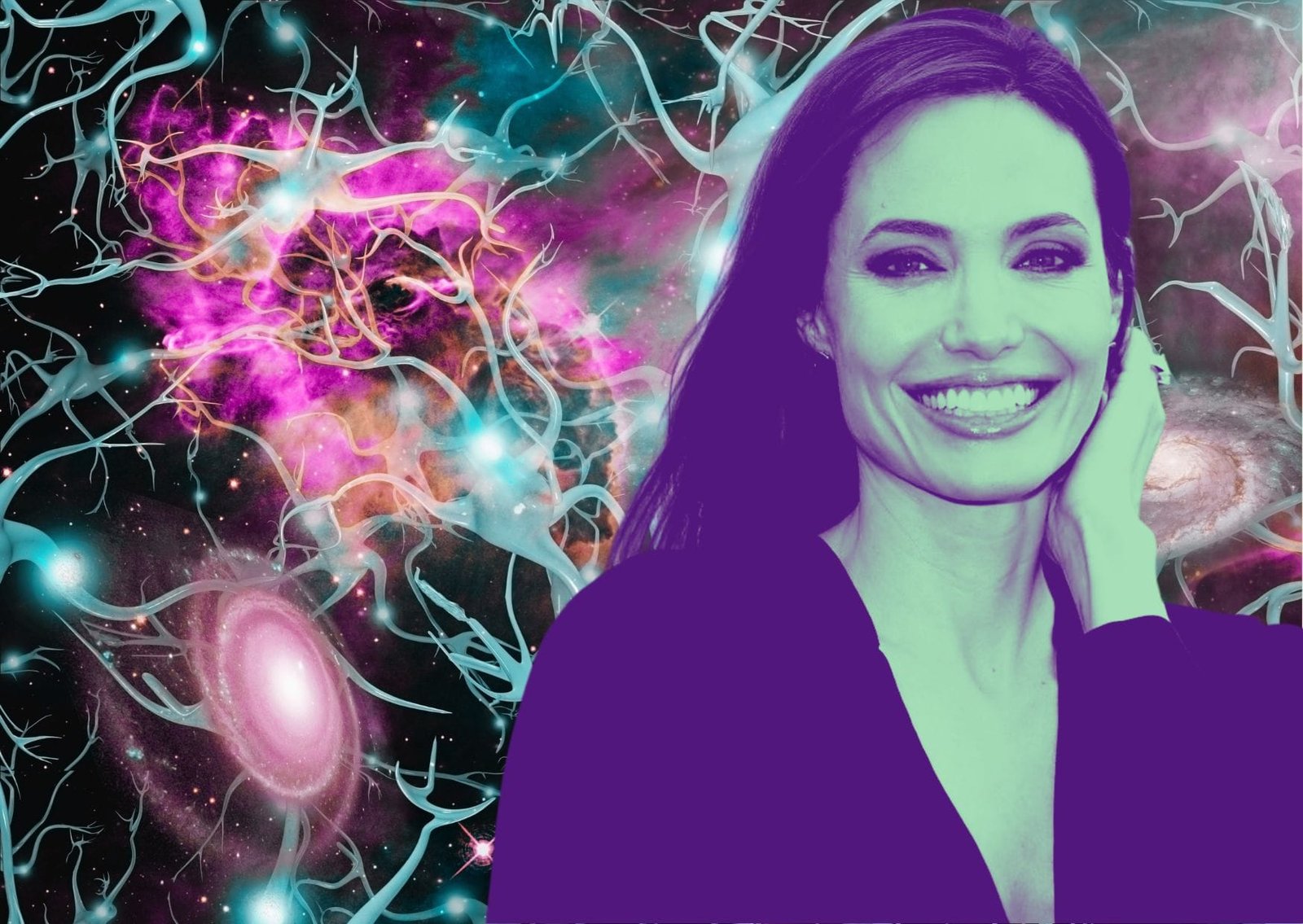
    Angelina Jolie – Pluto in 3rd House

    Although it feels unpleasant, it is a great opportunity to get to know our instinctual nature and see who we really are, since this will allow us to transform what does not allow us to progress.

    Pluto awakens our instinctual reactions so that we make them conscious and thus transform what does not allow us to progress.

    The difference between the natal position and the transit of Pluto through the houses is that the natal position indicates the area of life where our evolution will focus in the present incarnation, while the transit of Pluto activates temporary processes that assist our evolutionary path.

    The power of transformation that Pluto represents is experienced both individually and collectively. This is a planet that moves very slowly: it takes 248 years to travel the zodiacal wheel and stays in each sign between 12 and 31 years. In this sense, we are all part of a group that will evolve the characteristics of the sign where Pluto is when we are born. At the individual level, we live this process within the area of life (or astrological house) where Pluto is located.

    When Pluto is in the 3rd House

    The 3rd House symbolizes our perception and intellect. Here we see how we solve problems, the type of intelligence we possess, and our approach to studies. On the most mundane plane, it represents short trips, our neighborhood, and our relationship with siblings and neighbors.

    When Pluto is in this house, we undoubtedly have a very deep intellect. This is the quintessential investigator’s mind placement. However, the position of Pluto in the house of the intellect indicates the need for the transmutation of our perception.

    Pluto brings to the surface behaviors that need to be put aside in order to continue our evolutionary path. When it is in the house of the intellect, it is our perception that will go through the tunnel of hell. This can manifest as obsessive thoughts that do not leave us. Or thoughts that embarrass us or make us feel guilty.

    With this position, what we observe can awaken our instinctual reactions. Today it is very difficult to deal with our animal side without judging it as “wild” or “brutal.” Our civilization has been separating itself from it until it has become something unseemly. So, for those who have Pluto in the 3rd House, many times they feel that what is going on inside their minds scares them. So they learn to suppress their thoughts. And without knowing why, they fall into depression from time to time.

    The compulsive thoughts that indicate this position is a manifestation of what we don’t allow ourselves to think. In order to correct this condition, we need to dare to listen to our thoughts, even if they are grotesque or even violent. If we see this as a process of intellectual purging and we open Pandora’s box that is in our mind, once it is emptied, we will find Hope. Instead of seeing everything pessimistically, our intellectual strength can be used to find the core of everything.

    This position indicates an unmatched passion for understanding and great strength of concentration. The mind is extremely focused and is capable of creating mental projections so strong that it can modify the perception of others. As I have said before, Pluto will activate the behaviors that arise when we feel in danger. So we find ourselves telling lies or changing the truth in a way that works best for us. Until we communicate honestly, Pluto will exacerbate our compulsive thoughts. This should not be taken as a punishment but as a real desire of our soul to show us what we are feeding our minds with.

    Pluto in the 3rd House indicates a shrewd and resourceful mind. We know it and we like it. However, sometimes we can act as if we are the ones who understand everything better than anyone else – a self-preservation mechanism that has developed perhaps from being intellectually degraded by siblings or at school. This “intellectual pride” allows us to maintain a certain power within our conversations and is especially activated when we feel in danger. So, we are scathing and even poisonous in our words, and thus we disarm any possible aggression. As we discover that it is our own fear of not being so smart that leads us to act this way, and we learn to laugh at our own miseries, we begin to develop sarcastic humor that will make everyone laugh.

    Danny: Now, they tell me I paid my debt to society.
    Tess: [sarcastically] Funny, I never got a check.
    “Ocean’s Eleven”

    Pluto seeks to tear down everything that is not authentic to make way for the great potential that the astrological house where it is located holds. In the 3rd House, it will be the use of our mind that will be transmuted through time. Pluto asks us to communicate honestly and to open ourselves to the possibility of error in perception. In this way, we not only sharpen our perception but can also understand the behavior of others and help them understand themselves. Carl G Jung, the founder of analytical psychology, is an example of the depth of mind that Pluto in the 3rd House indicates.

    Pluto in the 3rd House – Watch the VIDEO

  • Pluto in the 2nd House – Those Who Cannot Buy Into Lies

    Pluto in the 2nd House – Those Who Cannot Buy Into Lies

    Those who cannot pretend something matters to them

    There are people who cannot nod when someone explains what they should value. It’s not rebellion or stubbornness – it’s that something in their internal structure automatically rejects any value that hasn’t passed through their own verification laboratories. As if they had a built-in lie detector that activates every time someone tries to sell them a prefabricated truth.

    They cannot simulate enthusiasm for what they’re “supposed to” care about. They cannot pretend to worry about social status, conventional security, or others’ dreams converted into family mandates. Their internal system simply rejects what doesn’t resonate as authentic, with the same naturalness that the body rejects spoiled food.

    It’s disconcerting for those around them. Why can’t they simply adapt? Why does everything have to pass through the filter of their personal experience before it can be accepted as valid? As if they were incapable of the social convenience that allows others to adopt values through inheritance or convenience.


    More to read: Pluto in the 2nd House and the Intelligence of Survival


    The relentless laboratory

    When Pluto settles in the second house, it converts the consolidation process into an authenticity scanner that never turns off. Everything that enters the system – ideas, values, resources, beliefs about what’s worthwhile – must pass through an ontological verification that operates beyond conscious will.

    It’s not that they choose to be skeptical; it’s that their internal structure functions as an inconsistency detector that cannot be bribed. Like an involuntary scientist who examines each element before allowing it to integrate into their personal periodic table. If something “doesn’t sound true,” it simply cannot consolidate as their own, regardless of how convenient or socially acceptable it might be.

    This function operates with almost surgical precision. They can detect where a value system has structural cracks, where a belief about security is built on false foundations, where a concept of success is contaminated by others’ expectations. It’s not intuition – it’s visceral resonance with authenticity.

    The resistance of the inherited

    There exists in them a structural inability to inherit values without questioning. As if they carried inscribed in their operating code that nothing can become truly “their own” without having been dismantled, examined, and reconstructed from direct experience.

    This turns them into involuntary orphans of family traditions. They cannot simply receive the conceptual and emotional inheritance that others adopt without conflict. Everything must be verified in the laboratory of their own experience before it can be integrated as authentic value.

    The paradox is that the more they question what’s received, the more deeply they need to find what is truly theirs. Like archaeologists of their own authenticity, they excavate through layers of others’ expectations searching for the core of what genuinely resonates with their internal structure.

    The price of authenticity

    Their relationship with resources – material, emotional, conceptual – has the intensity of those who cannot afford lies. They cannot value something just because it’s “supposed to” be valued. They cannot desire something just because others desire it. They cannot feel secure with forms of security they haven’t personally verified.

    This precision makes them misfits for the world of consensual values. While others can adopt social goals and feel motivated by them, they need every objective to pass through the filter of their internal authenticity detector. If something doesn’t resonate as genuinely theirs, they simply cannot mobilize energy toward it.

    They live in constant tension between the need to consolidate something of their own and the impossibility of consolidating something false. As if they were condemned to authenticity in a world that functions on conventional agreements about what’s worthwhile.

    No shortcuts possible

    Their consolidation system operates from a logic that admits no exceptions: nothing can become truly “their own” without having passed through internal consistency verification. There are no shortcuts, no exceptions for convenience, no way to skip the authentication process.

    This turns them into involuntary experts at distinguishing between what is genuinely theirs and what they’ve adopted through external pressure. They know, viscerally, when they’re operating from authentic values and when they’re operating from others’ expectations. But that clarity has a price: the impossibility of pretending something matters to them when it doesn’t.

    The geography of the irreducible

    Sooner or later, if they survive the confusion of the early years, they discover something extraordinary: that their inability to buy into lies is not a defect but a specific function. That their internal authenticity detector is not an obstacle but a navigation tool in a world full of counterfeit values.

    When they finally embrace their Plutonian function instead of resisting it, something changes. They stop apologizing for not being able to value what doesn’t resonate as authentic and begin trusting their capacity to detect what is genuinely theirs. As if they finally understood that they’re not here to inherit values but to distill them.

    It’s not that they become less demanding of themselves. It’s that their demands become creative instead of destructive. And then, paradoxically, they find that what is truly theirs emerges naturally – not because they seek it, but because they have cleared the space of everything that wasn’t authentic from the start.

    Their gift is not having clear values, but being incapable of lying to themselves about what they truly value.

    MORE ON THE 2ND HOUSE (SIGNS AND PLANETS)

    Pluto in the 2nd House – Watch in VIDEO

  • Pluto in the 1st House – Those Who Cannot Pretend to Be Others

    Pluto in the 1st House – Those Who Cannot Pretend to Be Others

    Those who cannot sustain masks

    There are people who cannot present themselves in a convenient way. It’s not that they don’t know what role is expected of them in each situation – they know perfectly well. It’s that something in their internal structure automatically detects when they’re acting a false version of themselves, and that detection becomes viscerally unbearable.

    They cannot sustain the social mask for more than a few minutes before something breaks. As if they had an authenticity detector that operates on their own presentation and cannot be deactivated. They know exactly when they’re pretending to be more pleasant, more normal, more adapted than they really are, but they cannot prevent that falseness from corroding them from within.

    It’s disconcerting for those around them. Why can’t they simply maintain the social composure that allows others to navigate the world without friction? Why does everything they say seem to come from such a deep place that it makes others uncomfortable? As if they were incapable of the lightness that makes social interactions flow without consequences.


    Read more: Pluto in the 1st House and the Intelligence of Self-Preservation


    The walking detector

    When Pluto settles in the first house, it converts every appearance in the world into an authenticity scanner that cannot be turned off. The detector function operates both inward – they cannot present themselves from false identities – and outward – their presence automatically activates the detection of inconsistencies in the environment.

    It’s not that they choose to be disruptive; it’s that their internal structure functions as a falseness detector that cannot be bribed. Like an involuntary forensic scientist who analyzes every interaction looking for signs of acting or inconsistency. If someone is faking interest, sympathy, or any emotion, their system detects it automatically.

    This function operates with a precision they themselves cannot control. They can perceive where someone is acting a social role, where a conversation is being forced, where masks are being sustained by pure convenience. It’s not intuition – it’s visceral resonance with inauthenticity in real time.

    The unsustainable tension

    There exists a specific suffering in this configuration that is not just “not being able to fake” but something more complex: detecting that your presentation is false but feeling compelled to maintain it anyway. Like being trapped between two contradictory forces – the detector that says “this is not authentic” and a compulsion to act from that falseness to maintain connections, jobs, family bonds.

    In the 1st House, this manifests in every encounter: knowing that the “socially acceptable” version of yourself is false, but feeling that if you don’t operate it, you’ll be left without relationships, without opportunities, without a place in the world. It’s the specific agony of detecting that “being nice when you don’t feel it” is a lie for your system, but not being able to stop because it seems like the only way to be accepted.

    It’s not generic suffering – it’s that brutal dissonance of being conscious that you’re acting a false version of yourself but not being able to stop. Like living divided between who you know you are authentically and who you feel you have to be to survive socially. The Plutonian detector cannot be bribed, but neither can the basic needs for connection and belonging be ignored.

    The forced metamorphosis

    Here is where the true Plutonian transformation appears – not as an evolutionary choice but as biological inevitability. The tension between detecting falseness in your own presentation and feeling obligated to maintain it eventually becomes so unsustainable that showing yourself authentically becomes the only possible way out.

    Like the caterpillar in the cocoon: you don’t “decide” to transform because you want to evolve. A point comes where maintaining the mask becomes impossible – either you emerge authentically or you disintegrate. The transformation is not optional, it’s inevitable because the internal dissonance hurts more than the fear of rejection.

    In the 1st House, this means going through the specific terror of showing yourself as you are without guarantees that you’ll be accepted. It’s walking through a dense forest at night, full of shadows that terrify: “What if my authenticity scares people away? What if who I really am is not socially viable?”

    But the metamorphosis becomes inevitable because maintaining the false becomes more painful than facing rejection. And once you emerge authentically, you cannot go back – you no longer fit into the superficial interactions that once contained you, even though they were familiar.

    The involuntary effect

    Their presence has a particular effect they cannot control: they activate the detector function in the spaces where they appear. It’s not that they seek to create discomfort; simply their frequency of authenticity resonates with the surrounding falseness and makes it evident.

    It’s like being a walking authenticity detector in a world that functions on convenient performances. Where there are social masks, their primitive authenticity makes them visible. Where there are forced conversations, their genuine presence exposes them. Where there is acting, their inability to pretend contrasts it to the point of absurdity.

    That’s why they often feel like involuntary catalysts for extreme reactions. People behave strangely near them – more honest or more defensive, more vulnerable or more shielded. As if their energy field activated emergency systems in others: either they show themselves authentically or they protect themselves to the point of absurdity.

    The geography of recognition

    Sooner or later, if they survive the confusion of the early years, they discover something extraordinary: that their inability to sustain masks is not a defect but a specific function. That their internal authenticity detector is not an obstacle but a navigation tool in a world full of falsified performances.

    When they finally embrace their Plutonian function instead of resisting it, something changes. They stop apologizing for not being able to pretend to be others and begin trusting their capacity to detect and express what is authentic. As if they finally understood that they’re not here to adapt but to catalyze authenticity.

    It’s not that they become less intense. It’s that their intensity becomes magnetic instead of disturbing. And then, paradoxically, they find that genuine connections emerge naturally – not because they seek to please, but because they have cleaned their presentation of everything that wasn’t authentic from the start.

    Their gift is not being loved by everyone, but being incapable of lying about who they really are.

    Pluto in the 1st House – Watch in VIDEO

Privacy Preference Center